
Planning Update
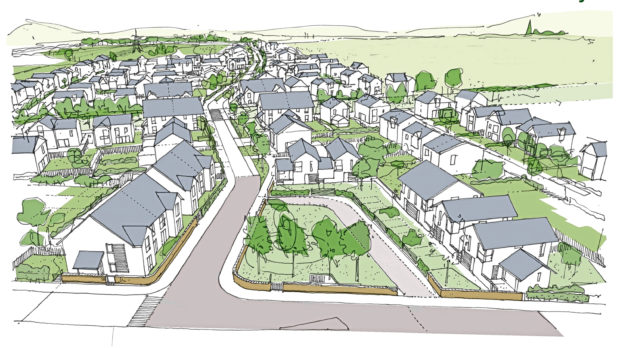
The revised National Planning Policy Framework was updated on 19th February 2019 and sets out the Government’s amended planning policies for England and how these are expected to be applied. We are already seeing impacts from single site applications right through to large scale developments at the early stages of promotion.
These changes have done little to help overstretched and under resourced local authorities cope with the sheer volume of applications that are being received. It is now more crucial than ever to ensure that all planning applications are fully considered and submitted with all the relevant supporting information in order to avoid significant delays through the determination process.
Applicants should be open from the outset and in the majority of cases the benefits of pre-application engagement far outweigh any risk to the project and will significantly reduce delays by providing the right information to decision makers.
In dealing with appeals, the Planning Inspectorate is similarly strained, although they have a number of plans in place to reduce appeal turnaround times significantly before the end of 2020.
The experienced team at Wilson Fearnall are available to support you through all stages of the development and planning & appeals process, from diversification projects to major strategic land promotion. We are also on hand to deal with disposals, development or joint venture agreements on land and property once planning approval has been obtained. We are able to offer a no win/no fee service and promotion agreements in certain cases and are always happy to explore ways of joint working with site providers and developers.
Related posts
A significant High Court judgment handed down in July 2026 has clarified much needed detail on the rights of landowners and occupiers when infrastructure promoters, utility companies and acquiring
The Peak Cluster carbon capture and storage (CCS) project is a major new infrastructure scheme planned for the Midlands and Peak District. Its goal is to collect carbon dioxide
Resolving Compulsory Purchase Claims Early: Why early conversations, mediation and independent advice lead to better results Major infrastructure projects rely on good working relationships, but when land is needed
Everyone is aware of the proposed Inheritance Tax changes for APR and BPR as set out in the October budget. As we have previously highlighted, the statistics and analysis
This January the Rural Payments Agency (RPA) has re-launched a version of Higher-Tier Environmental Agreements for Farmers and Land Managers. Initially by invitation only, the RPA’s new scheme is
Changes to the ‘standard method’ that the government use to estimate housing needs has led to significant increase in the number of homes that will need to be delivered