
Out with the old, in with the new – changes in rural support.
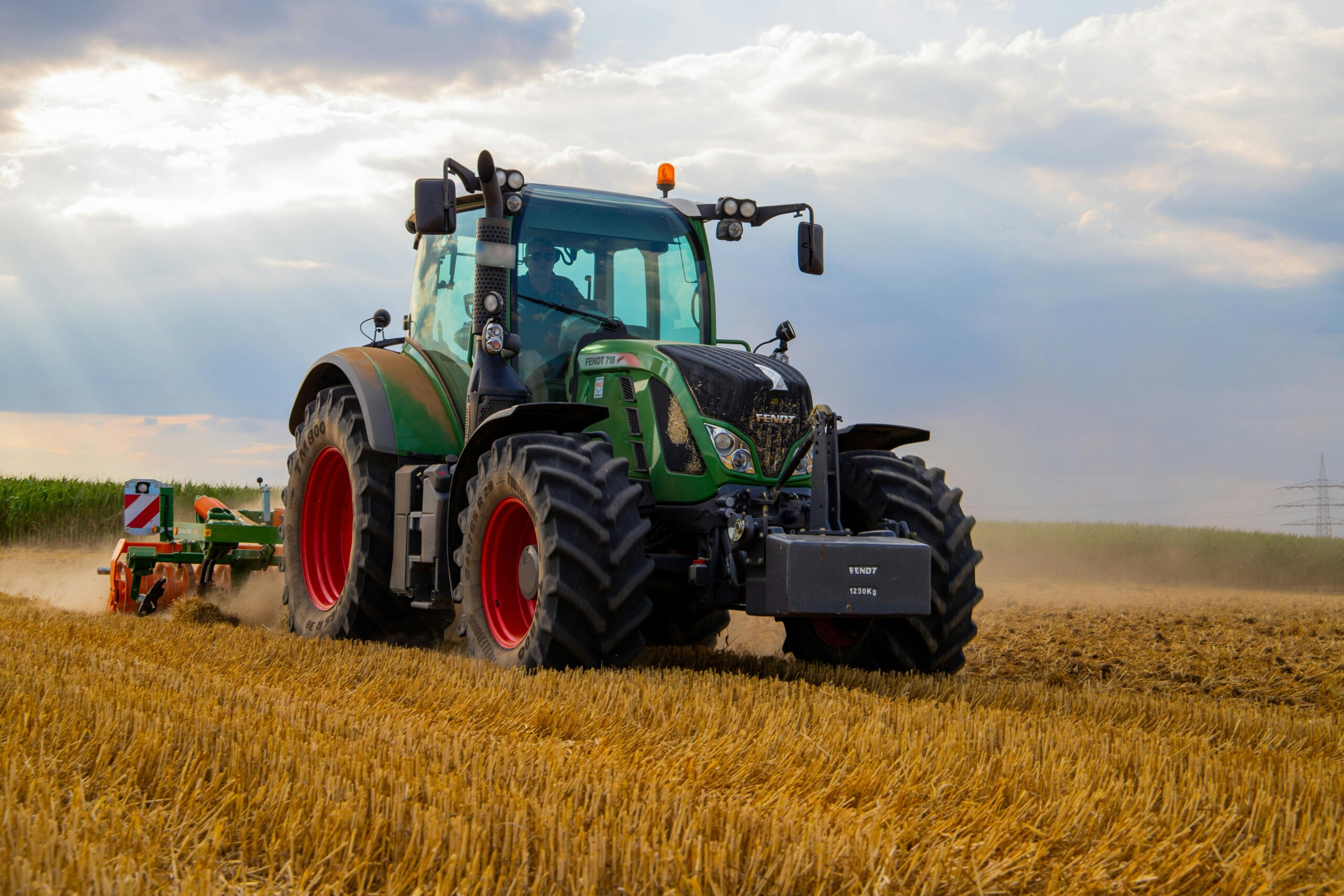
Farmers and landowners need to start planning for the future with government support quickly changing its focus.
We are now halfway through the agricultural transition period, moving away from direct support under the Basic Payment Scheme (BPS) to the Sustainable Farming Incentive, with Countryside Stewardship and other grants still available. Farmers and land managers have now received over half of the total Basic Payment Scheme transition period payment. The remaining funding will be paid in June and December each year until December 2027 and will no longer be linked directly to land. For those looking for ways to replace this lost income from other sources, the Sustainable Farming Incentive and Countryside Stewardship could help. Ensuring the right mix to suit your existing business is key.
Countryside Stewardship Agreements are for 5 years and are less flexible than the Sustainable Farming Incentive with options agreed in Year 1 applying to the whole lifetime of the agreement. However, a key benefit of Countryside Stewardship is the bolt-on (or standalone) capital grants for farmers who are eligible to complete works such as renewing concrete yards, installing rainwater catching infrastructure, fence fields and plant hedges to name a few.
For 2024, Countryside Stewardship has also been amended to include more woodland-based options.
Sustainable Farming Incentive Agreements are typically three-year agreements, and have more flexibility than countryside stewardship, with fewer restrictions on rented land being entered into agreements, due to minimum tenancy terms. There are fewer options than Countryside Stewardship for now, but the options are being added to each year, and agreements can be added to as new options are announced. Focused more on achieving the environmental benefits, these agreements are not as onerous as Countryside Stewardship, with farmers and land managers instead being left to manage their own compliance to ensure the agreed aims are met on their farm. Agreements can start at any time of year, and payments are made to agreement holders quarterly.
It is possible to have both a Countryside Stewardship agreement, and a Sustainable Farming Incentive Agreement in place at the same time on the same farm, but there should be no ‘double counting’ of payment under the various options.
If you would like us to calculate how much BPS you should be receiving until 2027, or want to know more about how to maximise payments under any of the new schemes or grants please get in touch.
Related posts
A significant High Court judgment handed down in July 2026 has clarified much needed detail on the rights of landowners and occupiers when infrastructure promoters, utility companies and acquiring
The Peak Cluster carbon capture and storage (CCS) project is a major new infrastructure scheme planned for the Midlands and Peak District. Its goal is to collect carbon dioxide
Resolving Compulsory Purchase Claims Early: Why early conversations, mediation and independent advice lead to better results Major infrastructure projects rely on good working relationships, but when land is needed
Everyone is aware of the proposed Inheritance Tax changes for APR and BPR as set out in the October budget. As we have previously highlighted, the statistics and analysis
This January the Rural Payments Agency (RPA) has re-launched a version of Higher-Tier Environmental Agreements for Farmers and Land Managers. Initially by invitation only, the RPA’s new scheme is
Changes to the ‘standard method’ that the government use to estimate housing needs has led to significant increase in the number of homes that will need to be delivered