
Emerging energy policy – the crunch is coming.
The Department for Energy Security and Net Zero are currently undertaking a final round of consultation on critical updates to a number of key National Policy Statements for energy developments. The consultation material can be found here and will influence:
- Renewable energy infrastructure
- Natural gas generating infrastructure
- Gas supply infrastructure and oil and gas pipelines
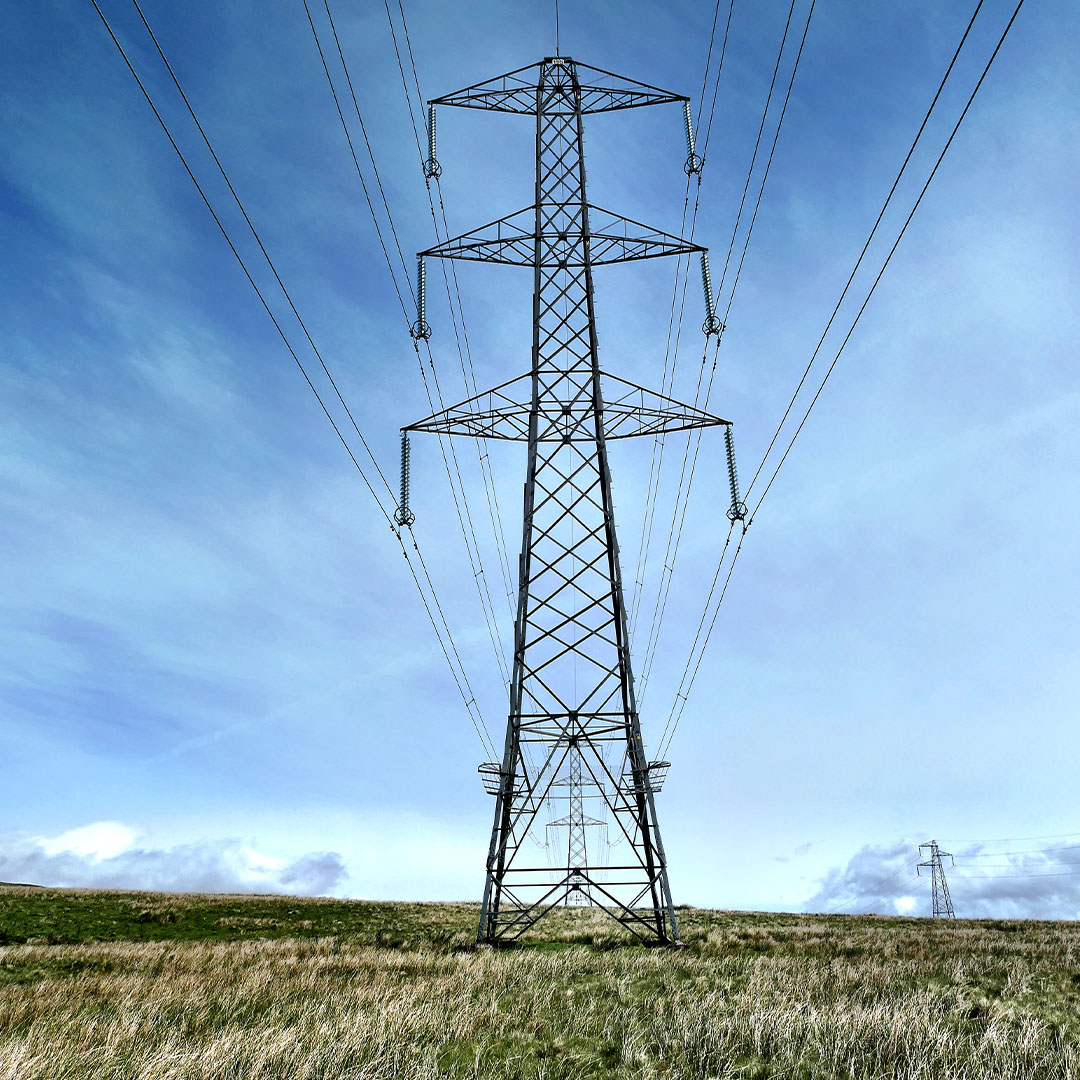
- Electricity networks infrastructure
This second consultation is more focused and seeks views on:
-
- Clarifying that offshore wind is now a critical national priority, including the related onshore and offshore network infrastructure
- Delivering the 50GW of offshore wind including 5GW of floating wind, we need to cut the process time by over half. The Government therefore announced it was introducing the offshore wind environmental improvement package to help accelerate deployment of offshore wind, whilst protecting and enhancing the marine environment
- Strengthening the electricity networks NPS to include more detail on the role of strategic planning of networks, which considers the network as a whole, rather than just individual transmission projects
- Updating the civil and military aviation and defence interests to reflect the status of energy developments, including offshore wind, and how impacts to civil and military aviation, meteorological radars and other types of defence interests should be managed
It seems likely that these main principles in the current drafts will be pushed forward without significant amendment and probably within a relatively short space of time given the urgency with which we need to act.
The crunch…? Well, developments captured by the specific updates will generally be given more ‘weight’ through the planning process, particularly offshore wind (and associated onshore infrastructure) which will be classified as ‘critical national priority’ with its need elevated even further. At the same time the Government are exploring ways to accelerate the NSIP consenting regime.
Good news for helping us progress towards the Governments target of 50GW of offshore wind by 2030, but potentially bad news for those land and property owners who might be affected by such developments.
Land in the UK is already extremely congested with services, built development and the growing requirement for biodiversity improvement. Many of the ‘easier’ options for the location of onshore infrastructure have already been utilised, and rightly so. This leaves more and more challenging locations at a time when demand has never been higher.
Inevitably, we are soon likely to see a significant increase of more complex projects in the NSIP process and increasing pressure to quickly deliver consents (we then have to build out consented projects, but that’s a whole different story!).
Landowners and communities are likely to have less ‘say’ in the shaping of these projects and are going to have to accommodate them one way or the other. It will become increasingly critical that scheme promotors and potentially affected parties engage early, fully and positively to overcome issues in the design process and limit challenges through public inquiry.
I’m not sure this is happening at the moment and I’m not sure we have the time, money or resource for accelerated delivery. Time will tell, but we are in for a challenging few years.
Related posts
Today provisions that will allow agricultural buildings to be converted into residential dwellings under the General Permitted Development Order (permitted developments do not need full planning approval) came into
DECC have announced that a consultation promised by Energy Minister Greg Barker into Feed in Tariff support for smaller AD units will not now go ahead. It had been
A recent article in the Telegraph sums up the current situation very well.
Late on Friday night Ofgem published the revised Feed in Tariff rates that will apply to all non-solar technology from April 2014. As expected the full 20% degression rate
Today, European Commission President José Manuel Barroso will launch a White Paper on the EU’s 2030 Climate and Energy Package. This will contain recommendations for Europe’s climate and energy targets
The On-Farm Anaerobic Digestion Fund has been developed to help farmers in England get financial support to build small-scale AD plants on their farms. The fund is aimed at